Cart
Cart
Common Causes of Motorcycle Accidents in Chicago
Last updated Friday, August 14th, 2026
Chicago Motorcycle Accidents and Causes
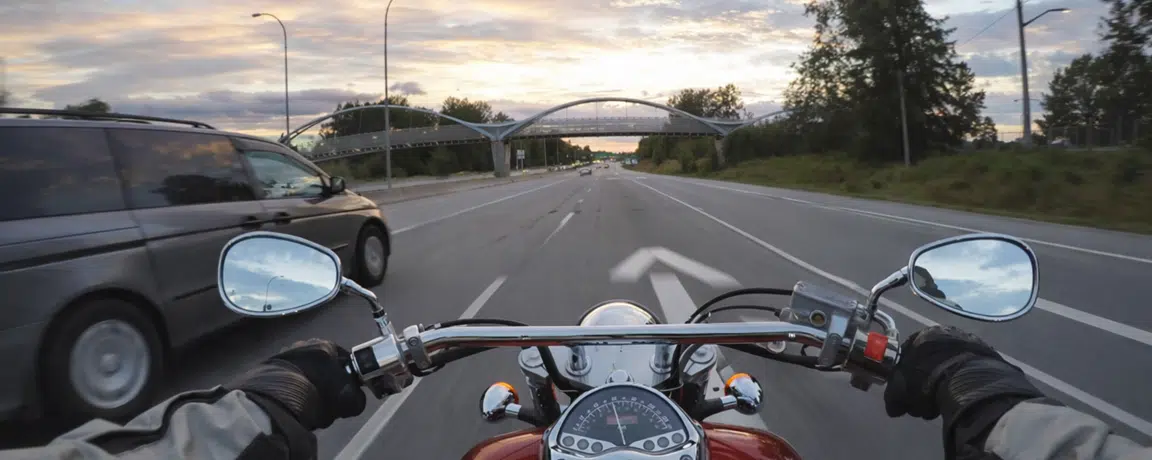
Some common reasons why motorcycles crash in Chicago are because of unsafe lane changing, car drivers opening their doors into traffic, reckless speeding by cars, automobiles making abrupt stops without warning to motorcyclists, car operators who drive while intoxicated, when automobile drivers make an improper left turn onto traffic lanes where riders are traveling, hazardous roadways, automobile driver distractions due to using cell phones etc., as well as, tailgating.
Unsafe Lane Changes
Lane changing is a major contributor to motorcycle crashes. Drivers who do not check their blind spots before switching lanes place a large number of motorcyclists at risk. A car merging into a lane occupied by a motorcycle may knock the rider off balance or push the rider into traffic. Highway environments such as I-90 or I-94, where speeds are high and reaction time is short, increase the risk of lane-changing-related motorcycle crashes.
Motorcycles take up less visual space than cars. Thus, a driver relying on mirrors and not checking blind spots is likely to miss seeing a motorcyclist. A motorcyclist hit by a car door being opened may be thrown into a guardrail, other vehicles, or onto the pavement at high speeds.
Have You Been Injured in a Motorcycle Accident?
If you need a motorcycle accident lawyer, talk to an experienced lawyer who’s been helping injured bikers for over 40 years.
Car Doors Opening Into Traffic
In densely populated urban streets, motorcyclists face a unique risk: the sudden opening of a parked car door. “Dooring” refers to when a person opens a car door without looking for incoming traffic. Motorcyclists riding through crowded streets such as Milwaukee Avenue or Halsted Street face this risk daily.
If a motorcyclist hits an open car door or attempts to swerve to avoid a door, the motorcyclist may lose control of his or her bike. Even at lower speeds, the impact may produce severe injuries. Narrow bike lanes and crowded city streets worsen this problem by limiting a motorcyclist’s opportunity to avoid an open car door.
Related Article(s)
Common Motorcycle Accident Injuries & Compensation
Speeding
The amount of time a driver and/or motorcyclist has to respond to a situation decreases as the speed increases. If a driver travels at excessive speeds, he/she may not be able to stop in time to avoid hitting a motorcycle. Excessive speed also reduces a motorcyclist’s control over his/her bike. At excessive speeds, even a small loss of control may result in fatal injuries.
Speed-related accidents occur frequently in Chicago. However, these types of accidents are most common on Lake Shore Drive and in areas with minimal traffic regulation. Faster speeds translate into longer braking distances and increased force upon impact. A minor fender-bender involving two cars may become a life-threatening incident when a motorcycle is involved.
Sudden Stopping
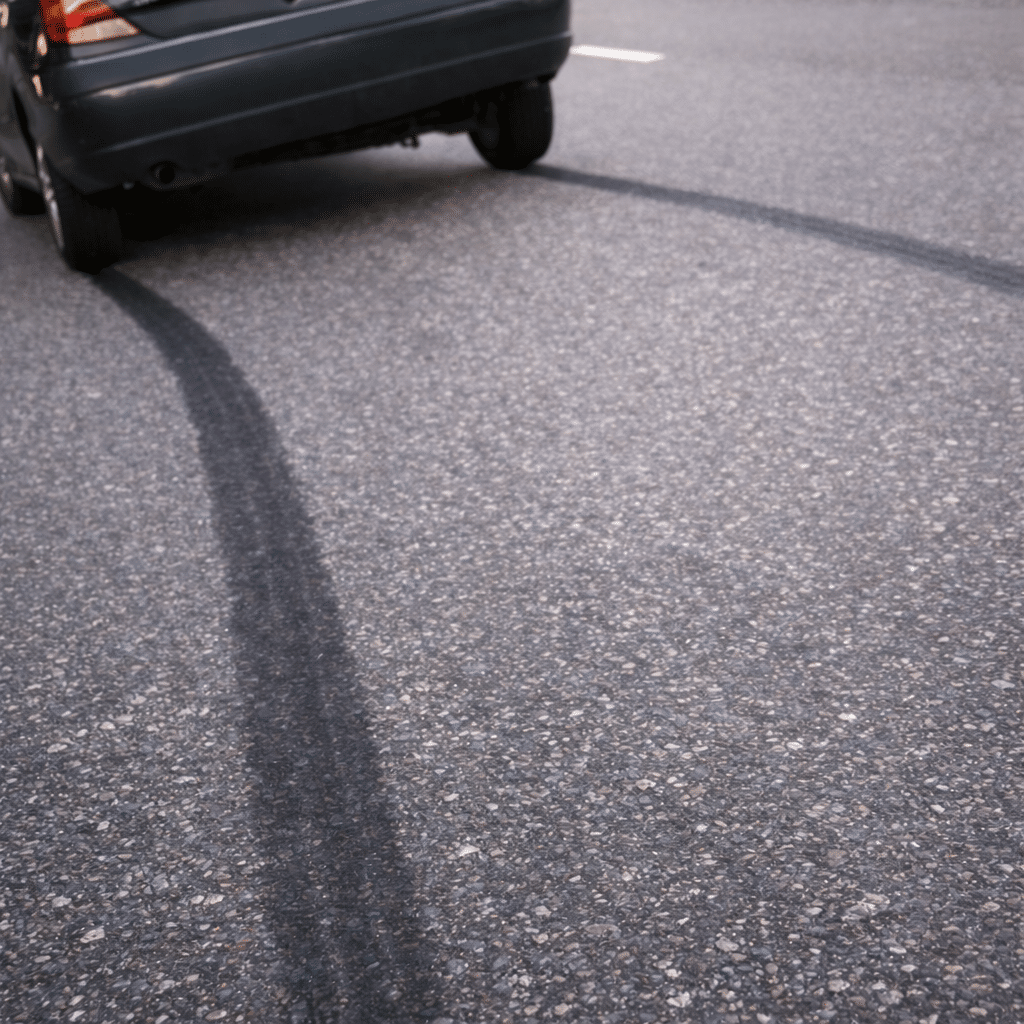
When a vehicle ahead of a motorcycle stops rapidly, the motorcyclist may not have sufficient distance to safely slow down. A motorcyclist struck from behind is at extreme risk of injury because he/she lacks the protective structure (e.g., metal body) surrounding the occupant(s) of a standard automobile.
Stop-and-go traffic, or near-intersection locations, are the most common locations for sudden-stopping accidents. A driver distracted by a cell phone or caught off guard by a traffic signal change may slam on the brakes without warning. The motorcyclist behind him/her will have very few seconds to react. Even an experienced motorcyclist will find it difficult to avoid an impact when a car stops unexpectedly and without reason.
Driving While Intoxicated
Impairment due to alcohol and drugs continues to be among the most frequent causes of motorcycle accidents. Impaired drivers have slower reaction times, poor judgment, and reduced hand-eye coordination. As a result, they may drift into adjacent lanes, run red lights, or simply fail to see a motorcycle.
Chicago experiences a marked increase in DUI-related accidents on weekends and late at night. Specifically, accidents tend to cluster around entertainment districts, such as River North or Wicker Park. Due to impaired drivers’ inability to gauge speed and distance, motorcyclists are uniquely vulnerable to these types of crashes. Often, the results of these accidents are catastrophic.
Collisions from Left Turns
A common type of motorcycle accident occurs when a driver turns left at an intersection fails to yield to an approaching motorcycle. Either the driver miscalculates the motorcycle’s speed or fails to see the motorcycle altogether. Typically, the motorcyclist has the right-of-way; however, having the right-of-way provides no protection against the resulting collision.
As previously mentioned, left-turn accidents can result in severe injuries due to the nature of the collision, which is typically a direct and/or side-impact type of collision.
Road Hazards and Poor Road Conditions
Potholes, uneven pavement, gravel, and debris provide a larger hazard to motorcyclists than to motorists. A pothole that would allow a car to roll over without incident can destabilize a motorcycle and send the rider to the ground. Chicago’s deteriorated infrastructure, combined with its harsh winters, contributes to road conditions that can be hazardous for two-wheeled vehicles.
Additionally, construction zones present yet another level of danger. Construction zones can include temporary lane shifts, uneven road surfaces, and decreased visibility, all of which make it more difficult for motorcyclists to maintain control. Failure to post proper warnings and failure to properly mark hazards further limit a motorcyclist’s opportunity to adjust.
Distractions
Drivers who text, change their radio, or interact with passengers are generally unable to detect motorcycles while driving. Distraction significantly limits a driver’s ability to visually survey for smaller vehicles and respond to unexpected changes in traffic.
A distracted driver may drift into an adjacent lane, fail to stop at a red light, or make an improper turn. Because motorcyclists rely on other drivers to be attentive, a lapse in a driver’s attention will almost always result in a collision.
Tailgating
Following too close behind a motorcycle leaves a motorcyclist with virtually no room to maneuver. Motorcycles can stop much faster than many motorists anticipate, particularly when traveling on wet roads. A motorist who follows too closely behind a motorcycle may collide with the motorcycle if the motorcyclist needs to suddenly apply the brakes.
Tailgating is common on congested streets and highways, where motorists become frustrated with slower-moving traffic. The motorcyclist in front of a tailgating motorist has little control over the actions of the motorist behind him/her. Therefore, tailgating is one of the more stressful hazards faced by motorcyclists.
Have You Been Injured in a Motorcycle Accident?
If you need a motorcycle accident lawyer, talk to an experienced lawyer who’s been helping injured bikers for over 40 years.
What This Means for Injured Riders
If a motorcycle operator is injured as a result of another person’s negligent operation of a vehicle; then the motorcycle operator may be entitled to seek financial compensation for those resultant injuries. A general principle to proving negligence is establishing a legally recognized duty owed to the motorcycle operator; that there was a violation (breach) of that duty; that there was “proximate” cause (meaning that the other party’s breach of duty directly caused the motorcycle operator to suffer an injury); and finally, that the motorcycle operator suffered damage. The relevant proof may consist of police reports, witnesses’ descriptions, video footage taken by traffic cameras at the location of the collision, and/or photographs of the accident scene. Whether or not the actions violated a traffic statute or breached a standard duty of care will depend upon the specific circumstances.
If you’ve been hurt in a motorcycle crash in Chicago, understanding what caused the accident is the first step toward holding the responsible party accountable. Legal representation can help gather the evidence needed to prove negligence and recover damages for medical bills, lost income, and the pain you’ve endured.