Cart
Cart
Common Motorcycle Accident Injuries & Compensation
Last updated Friday, March 27th, 2026

Motorcyclists are at greater risk each time they ride than drivers of cars because motorcyclists do not have the same level of protection as drivers of cars. When a motorcyclist is involved in a collision, even a low-impact collision, it can result in serious injury. Understanding the type of injuries that frequently occur in motorcycle collisions will assist motorcycle riders and their families in understanding what to anticipate during the recovery process and in seeking reimbursement.
Road Rash and Skin Injuries
Motorcycle riders experience a variety of injuries while riding. Road rash occurs when the skin of a motorcyclist scrapes against the road at high speed. The injuries from road rash are similar to those obtained from being dragged along the ground. The road rash may appear to be minor; however, road rash can cause extensive injury and exposure of muscles and bones. Road rash injuries can require surgical debridement to clean and remove debris and damaged tissue. Wound care for road rash injuries can take several months, and scarring is frequent. Reconstructive surgery is typically required to restore normal appearance and functionality. During the recovery period, infection is a continuous threat.
Have You Been Injured in a Motorcycle Accident?
If you need a motorcycle accident lawyer, talk to an experienced lawyer who’s been helping injured bikers for over 35 years.
Traumatic Brain Injuries
A traumatic brain injury is one of the most serious injuries a motorcyclist can sustain. Although helmets provide some degree of protection, the force of the crash can cause the head of the motorcyclist to hit the interior of the skull. The force of the crash can cause a concussion or more serious cognitive impairment. Traumatic brain injuries do not always exhibit immediate symptoms. A motorcyclist may walk away from an accident with no obvious signs of injury, only to begin exhibiting symptoms such as headaches, memory loss, difficulty concentrating, and mood swings within a few days. As a result of traumatic brain injuries, many motorcyclists may never fully recover and may need to receive lifetime care and assistance with basic living tasks. Compensation for these types of injuries does not only involve the cost of medical services, but also involves compensation for the motorcyclist’s lost ability to earn a wage, and the significant decrease in quality of life caused by the injury.
Related Article(s)
Illinois Comparative Fault & Motorcycle Accidents
Common Causes of Motorcycle Accidents in Chicago
Spinal Cord Damage
One of the most vulnerable parts of the human body is the spine. Spinal cord damage can occur from a single blow to the back of the neck, causing a fractured vertebra, damaged disc(s), or severed spinal cord. The amount of damage to the spine will determine the amount of paralysis and disability of the motorcyclist. Injuries to the cervical spine (neck area) can result in quadriplegia, disabling the use of the upper and lower extremities. Thoracic or lumbar spine injuries can result in paraplegia, disabling the use of the lower body. An individual with an incomplete spinal cord injury may retain limited use of the lower extremities and/or may have chronic pain and bladder/bowel dysfunction. In addition to the initial cost of treating the spinal cord injury, individuals with spinal cord injuries require significant amounts of money for home modifications, custom-made wheelchairs, and lifelong medical care. The total cost of caring for an individual with a spinal cord injury can exceed $1 million over their lifetime.
Broken Bones and Fractures
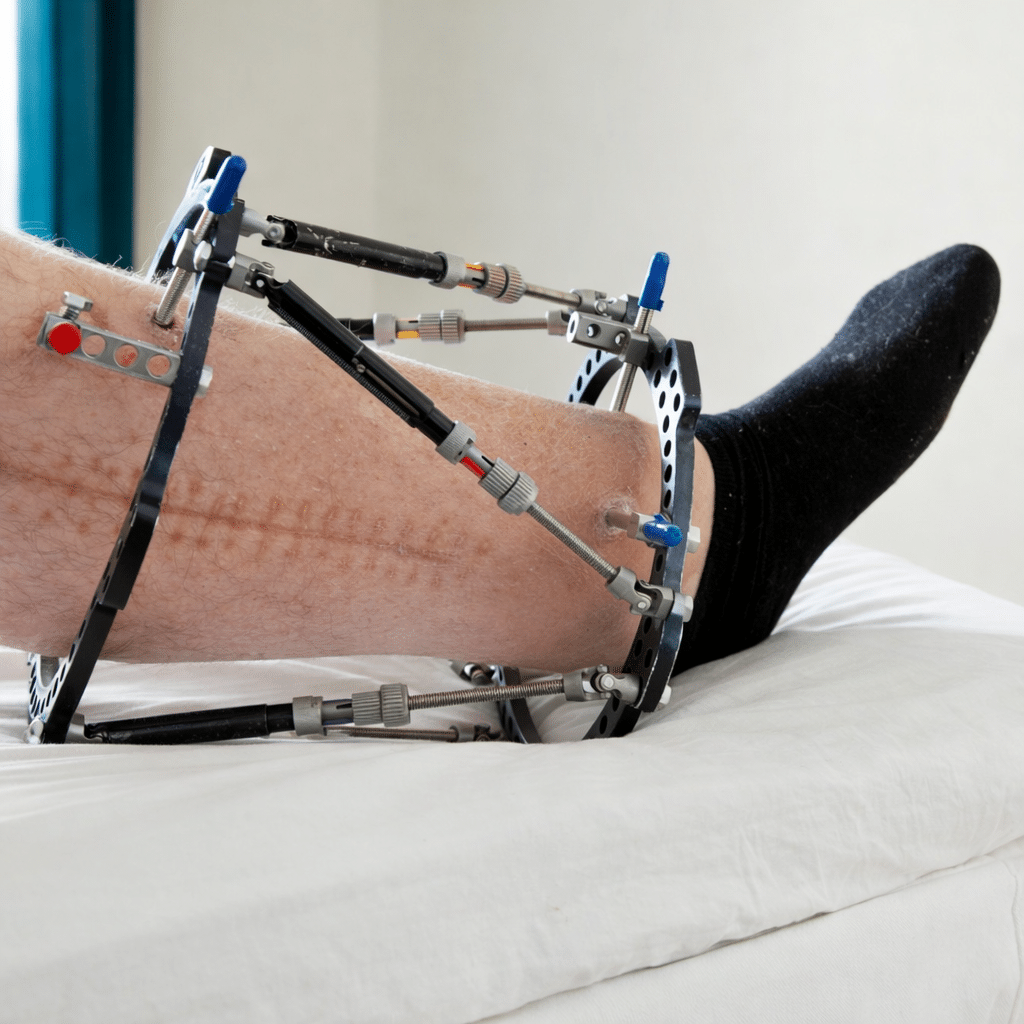
Even after broken bones and fractures have healed, there are often lingering effects. There may be a limited range of motion, chronic pain, and arthritis at the fracture site. In many cases, the victim will never regain full strength or flexibility in the injured area.
Internal Organ Damage
The abdominal and chest cavities are protected by the rib cage, and therefore, internal organs are exposed to the possibility of damage due to a motorcycle accident. Liver, spleen, kidney, and lung injuries can occur from the blunt force trauma caused by a motorcycle accident. Internal bleeding may not be evident immediately, and therefore, prompt medical attention should be sought after any motorcycle accident.
Treatment for internal organ damage may require emergency surgery and extended periods of intensive care. Depending upon the nature and extent of the internal organ damage, a victim may require surgical repair of the damaged organ. In some cases, surgical removal of the damaged organ may be necessary. In many cases, internal organ damage may cause chronic health problems.
Biker’s Arm and Nerve Injuries
A motorcyclist may experience Biker’s Arm and nerve injuries as a result of extending their arm to protect themselves while crashing. The Brachial Plexus is the group of nerves located in the shoulder and arm that control the movement of the arm and hand. The injury to these nerves can cause varying degrees of weakness, numbness, or complete paralysis of the affected arm and hand. The prognosis for recovery depends on the extent of the nerve injury. A mild injury may resolve with treatment in several months. A severe injury can result in permanent loss of function of the arm and hand and may require multiple surgical procedures with unknown success rates.
Amputations
Severe injuries sustained in a motorcycle accident may result in the loss of a limb. Limb loss can occur at the scene of the accident or subsequent to surgery. Limb loss may be caused by crushed limbs that could not be saved, severe soft tissue damage, or compromised blood flow to the limb. Limb loss may be accompanied by phantom limb pain. Phantom limb pain is a condition in which the brain continues to feel sensations from the missing limb. Prosthetic technology has advanced significantly; however, an artificial limb can never fully replicate the function of the missing limb. Many individuals with amputations experience chronic pain and discomfort.
Facial Injuries and Disfigurement
The facial structure of a motorcyclist is highly susceptible to damage from a motorcycle accident. Facial injuries can include jaw fractures, orbital bone fractures, dental damage, and deep lacerations. Facial injuries can have a significant psychological impact on the motorcyclist. Reconstructive surgery may be able to restore the motorcyclist’s appearance; however, scarring and disfigurement may remain. Many motorcyclists require multiple surgeries over the course of several years to restore their appearance. Socially and emotionally, the changes to their appearance can affect employment opportunities, relationships, and self-esteem.
Have You Been Injured in a Motorcycle Accident?
If you need a motorcycle accident lawyer, talk to an experienced lawyer who’s been helping injured bikers for over 35 years.
Seeking Compensation for Your Injuries
Under Illinois law, motorcycle accident victims can seek reimbursement for economic and non-economic damages. Economic damages include all measurable costs: medical bills, lost wages, property damage, and anticipated care costs. Non-economic damages include pain, suffering, emotional distress, and loss of enjoyment of life. The amount of reimbursement received will depend on various factors. The severity of the injuries incurred is the primary factor. A broken arm that resolves in three months is worth much less than a spinal cord injury that will require a lifetime of care. The medical costs associated with past and anticipated care will be a significant portion of the compensation awarded. Additionally, the motorcyclist will receive reimbursement for lost wages and reduced earning capacity if the injuries prevent them from returning to their former profession.
Liability will also play a role in determining the amount of reimbursement the motorcyclist receives. Illinois follows a modified comparative negligence standard. If the motorcyclist bears some liability for the accident, the motorcyclist’s entitlement to reimbursement will be decreased in direct proportion to their liability. Nevertheless, as long as the motorcyclist is less than fifty percent responsible for the accident, the motorcyclist can still recover damages.
Insurance Coverage and Compensation
There are practical limitations to the amount of compensation that can be received based on the insurance coverage available. The at-fault motorist’s policy may not provide sufficient coverage to pay for all of the motorcyclist’s damages, especially in cases involving catastrophic injuries. Therefore, the motorcyclist may want to investigate alternative sources of compensation, including their own underinsured motorist coverage, multiple liable parties, and other applicable insurance policies.
Why Legal Representation Matters
Insurance companies have experienced adjusters employed to minimize the amount of reimbursement paid out. Insurance companies may contact the motorcyclist shortly after the accident, before the motorcyclist realizes the extent of their injuries. Settlement offers made to motorcyclists early in the process usually do not represent the true value of the motorcyclist’s claim.
Attorneys who specialize in motorcycle accidents are aware of the scope of motorcycle injury claims. They know which medical experts to call, how to accurately document the motorcyclist’s losses, and how to counter the tactics used by insurance companies. To build a viable claim, the motorcyclist’s attorney will gather evidence, obtain medical records, consult with specialists regarding the motorcyclist’s future care requirements, and calculate all of the economic impacts of the motorcyclist’s injuries.
Too many motorcyclists underestimate the long-term implications of their injuries. What initially appears to be manageable in the short term can eventually become chronic problems that require ongoing treatment. Once the motorcyclist settles a claim, he/she will not be able to reopen the claim if complications arise later. A competent attorney will assist the motorcyclist in ensuring that he/she is compensated for future care requirements and not just his/her current situation.
Taking Action After a Motorcycle Crash
Personal injury claims in Illinois have a statute of limitations. Generally, a motorcyclist has two years from the date of the accident to file a lawsuit. The time to build a valid claim, however, may take many months. Gathering medical evidence, gathering evidence, negotiating and communicating with opposing counsel, etc., all take time. The earlier that a motorcyclist begins the process of filing a claim, the better. Memories of the accident and the events leading to the accident will begin to fade. Witnesses to the accident may become difficult to find. Physical evidence may disappear. The sooner an attorney can begin investigating the accident, the better the motorcyclist’s chances of recovering fair compensation.
If you or a family member were injured in a motorcycle accident, receiving the appropriate medical care should be the first priority. It is also important to initiate the process of exploring your options for a claim. A consultation with an attorney is complimentary and will give you a clear picture of your situation.